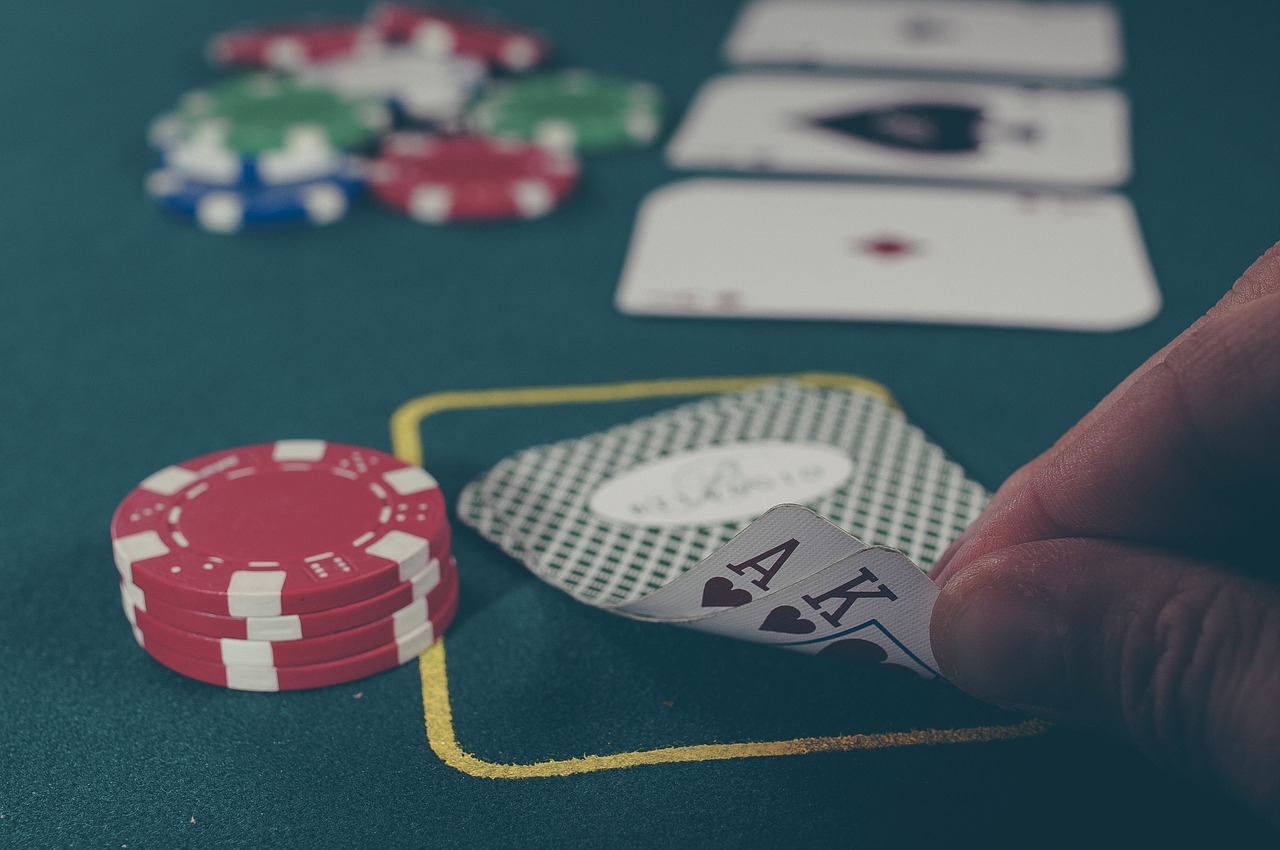
Pathologisches oder auch zwanghaftes Spielen von Glücksspielen wird häufig unterschätzt und bleibt lange unerkannt. Die Spielsucht nimmt immer mehr Raum im Leben der Betroffenen ein, die selbst oftmals nicht erkennen, wie abhängig sie sind. Und während manche lebenslang nie ein Casino betreten, wird es für andere zu einem zweiten Zuhause – im schlimmsten Fall zum einzigen Zufluchtsort, der ihnen bleibt.
Was macht die Spielsucht so gefährlich?
Die Glücksspielsucht bleibt häufig sehr lange Zeit unerkannt, weil äußere Anzeichen einer Sucht fehlen. Da man weder Alkohol riecht oder andere körperliche Merkmale erkennen kann, die auf eine Abhängigkeit hindeuten, ahnt das Umfeld von Betroffenen in den meisten Fällen nichts von dem Problem.
Alleine dies macht das zwanghafte Spielen gefährlich, weil die Betroffenen sich in Lügen verstricken und im schlimmsten Fall durch Schulden und Jobverlust ihre gesamte Existenz verlieren – inklusive Beziehungen, Familie und Freunde.
Zusätzlich wird die Problematik erschwert durch den leichten Zugang zu Glücksspielen für Volljährige. Da Spielen legal ist und mittlerweile selbst seriöse Online Casinos und bestimmte Apps auf dem Handy zur Verfügung stehen, ist das Spielen heutzutage nahezu überall und auch unterwegs möglich. Unser Tipp: Platin Casino.
So ist die Chance auf einen Ausweg durch fehlende Kontrollen und zunehmende Isolation von der Außenwelt sehr gering. Oft erhalten die Betroffenen erst Hilfe, wenn es bereits zu spät ist oder sogar nie.
Die drei Stadien des pathologischen Spielens
Man unterscheidet die Spielsucht in drei Stadien, dabei sind die Übergänge von einer in die nächste Phase meist fließend. Anders herum muss nicht immer jedes Stadium durchlaufen werden, manche Menschen schaffen es, eine gewisse Distanz zum Glücksspiel zu bewahren. Es muss sich also nicht immer eine Abhängigkeit entwickeln.
Die erste Phase ist die sogenannte Einstiegsphase, in der das Spielen beginnt und häufig nur als Freizeitbeschäftigung dient. Erzielte Gewinne werden oftmals noch behalten, dadurch entsteht ein positives Gefühl im Bezug auf das Spielen selbst – auch wenn diese Gewinne Zufall sind, werden sie bereits in der Anfangsphase manchmal schon dem eigenen Können zugeschrieben.
Somit steigt die Bereitschaft und das Bedürfnis zu spielen, Beträge die verspielt werden, werden im Anfangsstadium noch verharmlost und bagatellisiert.
Der Übergang zur zweiten Phase verläuft in den meisten Fällen fließend. Die Verlustphase, oder auch das Gewöhnungsstadium, ist gekennzeichnet von immer mehr Lügen gegenüber sich selbst und auch dem Umfeld.
Schulden werden oft mit Ausflüchten und Lügen erklärt oder komplett verschwiegen, es werden immer mehr Ausreden zum Spielen gefunden.
Es folgt eine zunehmende Toleranzentwicklung, sprich die Betroffenen gehen immer höhere Risiken ein. Sie müssen öfter und mit höheren Einsätzen spielen, um überhaupt ein Glücksgefühl zu erzeugen. Zusätzlich wollen sie vorhandene Schulden ausgleichen, es beginnt ein wahrer Teufelskreis – falls Betroffene in diesem Stadium unerkannt bleiben und keine Hilfe bekommen, kann die Glücksspielsucht hier bereits massive Auswirkungen auf das Privatleben haben.
Nahestehende Personen, die Familie und selbst die Arbeit geraten in der Verlustphase in den Hintergrund. Auch wenn während des Gewöhnungsstadiums noch zeitweise Abstinenzphasen herrschen können, ist die Kontrolle über das Spielen überwiegend schon abhandengekommen.
Betroffene reden sich ein, sie können jederzeit aufhören, werden aber nach ein paar Tagen oder Wochen wieder rückfällig. Dadurch entsteht dennoch ein Gefühl der Kontrolle, für die Betroffenen liegt also meist kein Problem vor. Dies führt zu weiteren Problemen im privaten Umfeld.
Auch der Übergang zur dritten Phase erfolgt meist schleichend und ist nicht klar zu erkennen.
Wenn das Suchtstadium erreicht ist und die Betroffenen sich in der Verzweiflungsphase befinden, ist das Gespür für verspielte Summen und Einsätze nicht mehr vorhanden. Betroffene haben keinen Überblick mehr über ihre Finanzen und sind bereit große Mengen zu setzen, die sie am Ende eigentlich gar nicht mehr besitzen. Es wird letztendlich nur noch versucht, vorhandene Schulden wieder zu erspielen. Das eigene Selbstbewusstsein und die Emotionen sind dabei vom Spiel abhängig.
Die Glücksspielsucht dient in diesem Stadium gleichzeitig auch als Ablenkung für die durch die Sucht entstandenen Probleme. Die Betroffenen flüchten so vor negativen Gedanken, Sorgen und Ängsten. Oft plagen Betroffene Schuldgefühle bis hin zu Selbstmordgedanken.
Ohne professionelle Hilfe schaffen es nur sehr wenige in dieser Phase alleine aus der Sucht. Der erste Schritt für eine Besserung ist dann getan, wenn die Betroffenen selbst ihr Problem erkennen und Hilfe zulassen. Erst dann ist richtige Unterstützung überhaupt möglich.
Im schlimmsten Fall kommt es in der Verzweiflungsphase zu kriminellen Handlungen, um das Spielen weiter finanzieren zu können.
Anzeichen einer zwanghaften Glücksspielsucht im Überblick
Im Folgenden werden die häufigsten typischen Anzeichen einer Spielsucht aufgelistet. Dabei müssen die Anzeichen allerdings nicht immer auf eine Spielsucht hindeuten und können unter Umständen andere Ursachen haben. Sollten jedoch alle Punkte zutreffen, lohnt es sich, genauer hinzuschauen.
- Trotz gesicherten Einkommens und entsprechender Lebensweise bestehen finanzielle Probleme
- Geld wird oft geliehen und Schulden scheinbar ohne Grund in Kauf genommen
- Ausreden und Lügen
- Unruhe, veränderte Persönlichkeit und Stimmungsschwankungen
- Der Betroffene reagiert oft gereizt, vielleicht vor allem bei Ansprache des Themas
- Unerklärliche Abwesenheit (eventuell auch bei der Arbeit)
- Unzuverlässigkeit und gedankliche Abwesenheit
- Betroffene verlassen sich meist auf ihr Umfeld, um aus finanziellen Schwierigkeiten herauszukommen und übernehmen wenig bis gar keine Verantwortung
- Emotionen und Stimmungslage sind vom Spiel abhängig
- Trotz Verlusten und sozialem Rückzug zieht der Betroffene sich weiter zurück oder lässt keine Hilfe zu
Hilfe und Auswege bei Spielsucht
Mit einer Suchterkrankung umzugehen, ist weder für Angehörige noch Betroffene leicht. Aber es ist wichtig, die Glücksspielsucht auch als das anzusehen – als Krankheit. Es erfordert Verständnis und in den meisten Fällen kostet es sehr viel Überwindung, professionelle Hilfe in Anspruch zu nehmen.
Dennoch ist diese wichtig, wenn die Sucht dauerhaft besiegt werden soll.
Dafür ist nicht immer ein stationärer Aufenthalt nötig. Es gibt mittlerweile viele Möglichkeiten zur Therapie, die immer die jeweiligen Lebensumstände und auch die finanzielle Lage von Betroffenen mit einbeziehen. Es ist enorm wichtig für Betroffene, mit der Situation nicht alleine zu sein.
Während der Therapie lernen Glücksspielsüchtige in erster Linie verschiedene Bewältigungsstrategien und erfahren, wie und warum die Sucht entsteht.
Auch als Angehöriger ist es wichtig, sich am besten bei einer Suchtberatungsstelle zu informieren. Hier bekommen auch Angehörige und Partner, die immer mit von einer Spielsucht betroffen sind, alles über die Sucht und den richtigen Umgang erklärt. Auch eine Schuldnerberatung kann sinnvoll sein.
In erster Linie gilt es, das eigene Wohl, sowie das Wohl von eventuell mit im Haushalt lebenden Kindern, zu schützen. Denn auch Kinder sind immer mit betroffen, die mit der Spielsucht verbundenen Geldprobleme betreffen immer die gesamte Familie. Zudem spüren Kinder die Spannungen im Haushalt.
Dafür ist es wichtig, über die Situation zu sprechen und es hilft, sich jemandem anzuvertrauen.
Zusätzlich sollte dem Betroffenen kein Geld geliehen werden, weder zum Spielen noch um Schulden abzubezahlen. Auch wenn man als Angehöriger eine Unterstützung sein kann, so ist es wichtig nicht die komplette Stütze zu sein – denn so ist keinem geholfen.
Um gesund zu werden, muss der Betroffene Verantwortung übernehmen lernen.
Links im Internet
www.spielen-mit-verantwortung.de
http://www.gluecksspielsucht.de
www.aufbruch-spielsucht.de